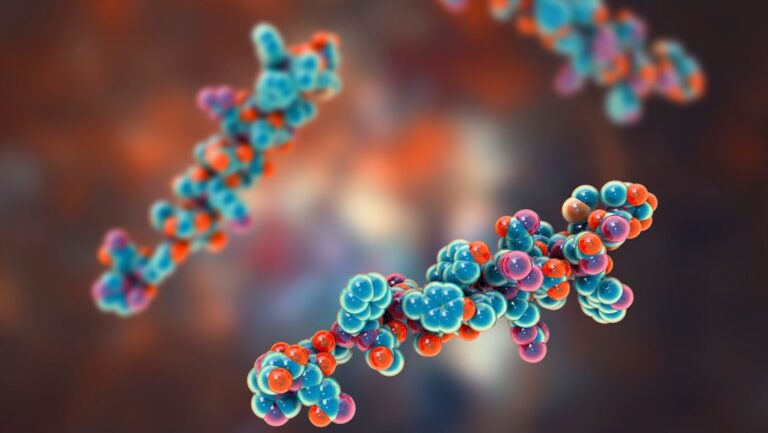
Peptide Guide
Best Methods For Peptide Storage Space And Security IGF-1 peptides like IGF-1 LR3 need acidic reconstitution for optimal stability. Pure bacteriostatic water may not fully dissolve these substances. Including a percentage of thin down acetic acid before thinning down with water usually improves results. Shop peptides in brownish-yellow vials or nontransparent containers when feasible. If your peptides arrive in clear vials, store them inside light-blocking containers or covered in aluminum foil. This is particularly hazardous for hydrophobic peptides and lengthy series. Peptides gotten by SPPS are normally cleansed by the preparative RP-HPLC. The HPLC purity of a lot of our peptides is 95% or above. The lower purities may be anticipated for peptides including totally free Cys, an N-terminal Gln, or sulfated peptides. The pureness can be boosted with the optimized synthetic and filtration approaches. This guide responds to the most often asked concerns about peptide vials, from basic dimensions to storage space guidelines and safety and security precautions. Peptides are widely known temperature-sensitive particles. Optimum peptide storage temperature varies by peptide kind, but a lot of take advantage of storage at-- 20 ° C or lower for lasting preservation [1] Refrigeration at 2-- 8 ° C might be acceptable for temporary use. Nevertheless, variations in temperature and repeated freeze-thaw cycles can speed up peptide degradation and gathering. To stop this, it's best to aliquot peptide vials into single-use portions. . Essentially, this reverses the freeze-drying process by including a certain solvent to the dry peptide. Appropriate reconstitution makes sure the peptide completely liquifies without loss of activity, so it can carry out as anticipated in experiments. It is an important step that has to be done thoroughly to preserve the peptide's stability and make certain regular outcomes. Reconstituted peptide remedies are generally stable for weeks to months when kept at -20 ° C or -80 ° C in a suitable, clean and sterile buffer, avoiding duplicated freeze-thaw cycles. The service life of recombinant peptides relies on a range of variables, consisting of the type of peptide, storage conditions, and whether stabilizers or chemicals are added. Generally, recombinant peptides can stay active for weeks to months under suitable storage conditions (e.g., refrigerated at 2-8 ° C) Complying with correct storage space and dealing with guidelines can significantly expand its service life. Lots of anti-aging peptides include oxidation-sensitive amino acids. Methionine and cysteine deposits in these sequences require security from light and oxygen. Amber vials and inert gas (nitrogen or argon) purging before storage prolong stability. When examining the information from LC-MS/MS assays of peptides and proteins, it iscritical to validate the specificity of the assay for the desired analyte, as wellas to ensure reliable quantification of the analyte.
What negates peptides?
Salicylic acid''s scrubing action may destabilize the peptides, diminishing their skin-repairing benefits. Suggestion: To avoid any kind of interaction, usage salicylic acid and peptide products at various times. As an example, incorporate salicylic acid in your early morning routine and peptides in your night regimen.

- Review your management strategy together with handling methods.
- Amino acid calibrants and peptide/protein QC products need to be selectedcarefully to ensure precision of the dimensions.
- A disparity from the expectedpeptide concentration of the in-house criterion during routine AAA evaluation couldindicate either a problem with peptide hydrolysis or with precision of amino acidsmeasurement, or both.
- Keep vials upright, capped, and plainly identified, and prevent straight light.
- This web page discusses just how storage space problems, wetness, light, temperature, and dealing with methods influence peptide security in a research study context.
Staying Clear Of Common Solubilization Errors
Reconstitute only what you'll utilize within the security window as opposed to preparing large sets. Unless you understand pH, pKa worths, and buffer chemistry, stick to conventional bacteriostatic water and maker referrals. Incorrect pH change problems peptides regularly than it helps. As soon as you have actually grasped basic peptide handling, a number of sophisticated techniques can even more optimize your research study end results. These aren't necessary for everyone, but dedicated scientists will certainly discover worth right here. If reconstitution generated an extremely focused remedy, weakening better may reduce regional reactions.Linked Information
Where unique solvents or managing are advised, PRG gives support to guarantee success. For long-term storage, keep lyophilized peptides at -20 ° C to -80 PT-141 ° C. At these temperature levels, correctly secured peptides stay secure for several years. Some suppliers assure 4+ years of service life under ideal fridge freezer storage space. To stay clear of pitfalls in analyzing targeted LC-MS/MS peptide and proteinmeasurements, it is important to correctly recognize the measurand (i.e., the quantityintending to be determined). Insulin syringes with permanently connected needles Great post to read function best below. The fine gauge needles, typically gauge, trigger minimal pain and reduce rubber stopper damages during withdrawal. Reconstitution protocols that protect maximum effectiveness. Quality assurance methods to verify what you're actually working with.Carrier Healthy Proteins And Stabilizers
Some peptides are inherently more bothersome than others. Yellowing suggests oxidation, often impacting tryptophan or tyrosine residues. This deterioration is irreversible and reduces peptide effectiveness. Noticeable bits can be precipitated peptide, rubber fragments from coring, or external contamination. Despite resource, particulate remedies should not be made use of.